
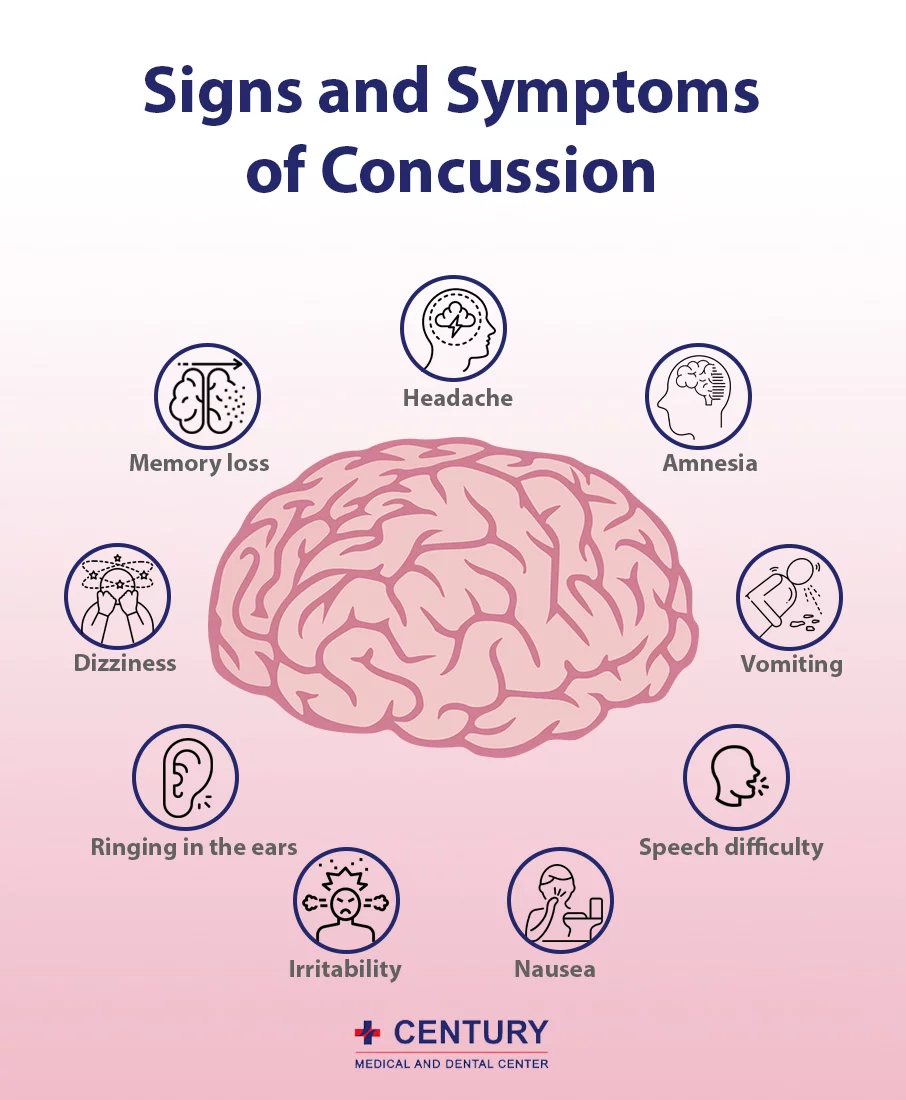
Concussions are common yet serious injuries, frequently occurring in sports and daily activities. Recognizing the signs and symptoms of a concussion is crucial for timely and effective treatment. According to the Centers for Disease Control and Prevention (CDC), millions of concussions occur annually, often going undiagnosed. Understanding what to look for can significantly impact someone’s recovery process.
What is a Concussion?
A concussion is a type of traumatic brain injury (TBI) caused by a bump, blow, or jolt to the head or body that results in the brain moving rapidly inside the skull. This sudden movement can create chemical changes in the brain and sometimes stretch and damage brain cells. While the effects can be temporary, they can cause significant disruptions in cognitive functions, balance, and coordination.
Immediate Signs of Concussion
After a head injury, immediate symptoms of a concussion might appear. According to a study published in the Journal of Athletic Training, these symptoms can include:
- Headache: One of the most common symptoms.
- Confusion: The injured person might seem dazed or have trouble answering questions.
- Amnesia: Difficulty remembering events before or after the injury.
- Dizziness and Balance Issues: Trouble with balance or coordination.
- Nausea or Vomiting: Feeling sick or actually vomiting can occur soon after the impact.
Delayed Symptoms of Concussion
Symptoms of a concussion can also develop hours or days after the initial injury:
- Sensitivity to Light and Noise: Bright lights or loud noises can be particularly bothersome.
- Sleep Disturbances: Difficulty falling asleep or sleeping more than usual.
- Mood Changes: Increased irritability, sadness, or nervousness.
- Cognitive Problems: Difficulty concentrating or remembering things.
- Physical Symptoms: Persistent headaches, blurred vision, and fatigue.
Behavioral and Emotional Changes
Changes in behavior and emotions can be subtle but are important indicators of a concussion. A study by the American Journal of Sports Medicine highlights that concussions can lead to noticeable changes in mood and behavior, such as:
- Irritability: Increased frustration over small issues.
- Depression: Feeling sad or hopeless without a clear reason.
- Anxiety: Sudden onset of nervousness or anxiety.
- Personality Changes: Acting differently than usual, more withdrawn, or more aggressive.
Recognizing Concussions in Children
Children might not be able to articulate their symptoms as clearly as adults. The CDC emphasizes watching for signs such as:
- Changes in Play: Less interest in favorite toys or activities.
- Clumsiness: More frequent falls or trouble walking.
- Tiredness: Unusual sleepiness or lethargy.
- Crying: Excessive crying without an obvious reason.
- Changes in Eating or Sleeping Habits: Unexplained changes in appetite or sleep patterns.
When to Seek Medical Attention
It is essential to seek medical attention if a concussion is suspected. The National Institute of Neurological Disorders and Stroke advises immediate medical evaluation if the person:
- Loses Consciousness: Even briefly.
- Has Repeated Vomiting: This can indicate a more severe injury.
- Experiences Seizures: Seizures are a sign of severe brain trauma.
- Exhibits Worsening Symptoms: Increasing headaches, confusion, or unusual behavior.
Recognizing the signs of a concussion and seeking prompt medical attention can significantly affect the outcome and speed of recovery.