
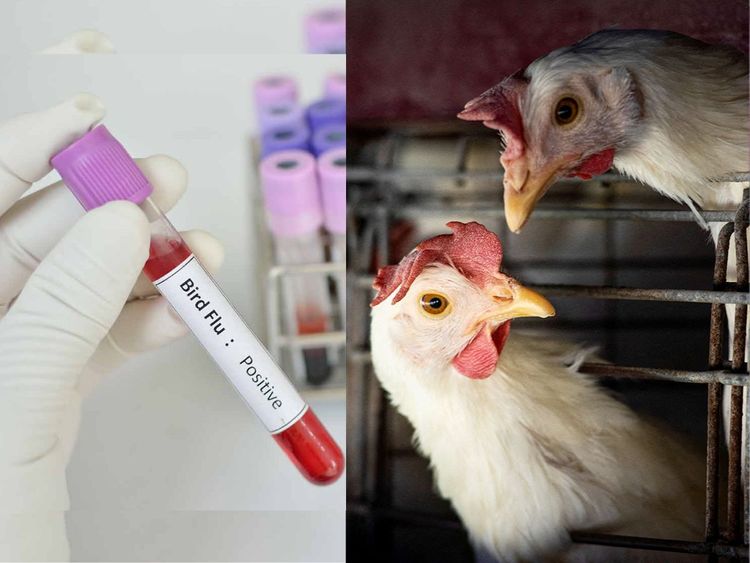
As human cases of bird flu are being detected in several parts of the country, the World Health Organization (WHO) has confirmed one such case in India.
“This is the second human infection of avian influenza A(H9N2) notified to WHO from India, with the first in 2019. The child has recovered and was discharged from the hospital,” the WHO stated in a press release. The patient is a 4-year-old child residing in West Bengal.
According to the WHO, the child experienced fever and abdominal pain on January 26. On February 1, the child was admitted to the pediatric intensive care unit (ICU) of a local hospital due to severe respiratory distress, recurrent high-grade fever, and abdominal cramps, and had also developed seizures.
The next day, the child tested positive for influenza B and adenovirus at the Virus Research and Diagnostic Laboratory at the local government hospital. On March 3, with a recurrence of severe respiratory distress, the child was referred to another government hospital, admitted to the pediatric ICU, and intubated. On March 5, a nasopharyngeal swab sent to the Kolkata Virus Research and Diagnostic Laboratory tested positive for influenza A (not sub-typed) and rhinovirus.
“On April 26, the sample was sub-typed as influenza A(H9N2) through a real-time polymerase chain reaction. On May 1, the patient was discharged from the hospital with oxygen support. Information on the vaccination status and details of antiviral treatment were not available at the time of reporting,” the press release added.
What Might Have Caused This Infection?
Exposure to poultry could be a reason for the infection. This is the second human infection of avian influenza A(H9N2) virus infection notified to WHO from India, with the first in 2019.
What is H9N2?
H9N2 is a subtype of the Influenza A virus that primarily affects birds but can also infect humans. It’s one of the less pathogenic strains, often causing mild to moderate respiratory illness. Despite its lower pathogenicity, H9N2 is of significant concern due to its potential to reassort with other influenza viruses, potentially leading to more virulent strains. Human cases are rare but have been reported, typically involving individuals with close contact with poultry.