NEW DELHI: With the United States temporarily pausing reciprocal tariffs for 90 days, the Indian government is aiming to accelerate its efforts to finalize a trade agreement with Washington. Officials say discussions are progressing “wisely” and with strategic intent.
“Prime Minister Modi and President Trump had agreed in February to pursue a trade agreement that would ease bilateral commerce,” said Commerce and Industry Minister Piyush Goyal. “The deal is expected to boost trade up to $500 billion — around 2.5 times the current volume — generating jobs and further strengthening India’s economy. India is already ahead in this race, and our dialogue is moving forward constructively.”
Amid the temporary tariff relief, Indian businesses are urging the government to move swiftly, fearing potential economic fallout should former President Trump decide to reinstate the duties.
While momentum is building, officials acknowledge that concluding a comprehensive pact in short order will be challenging, with current discussions still centered around technical modalities. These detailed negotiations are set to begin later this month.
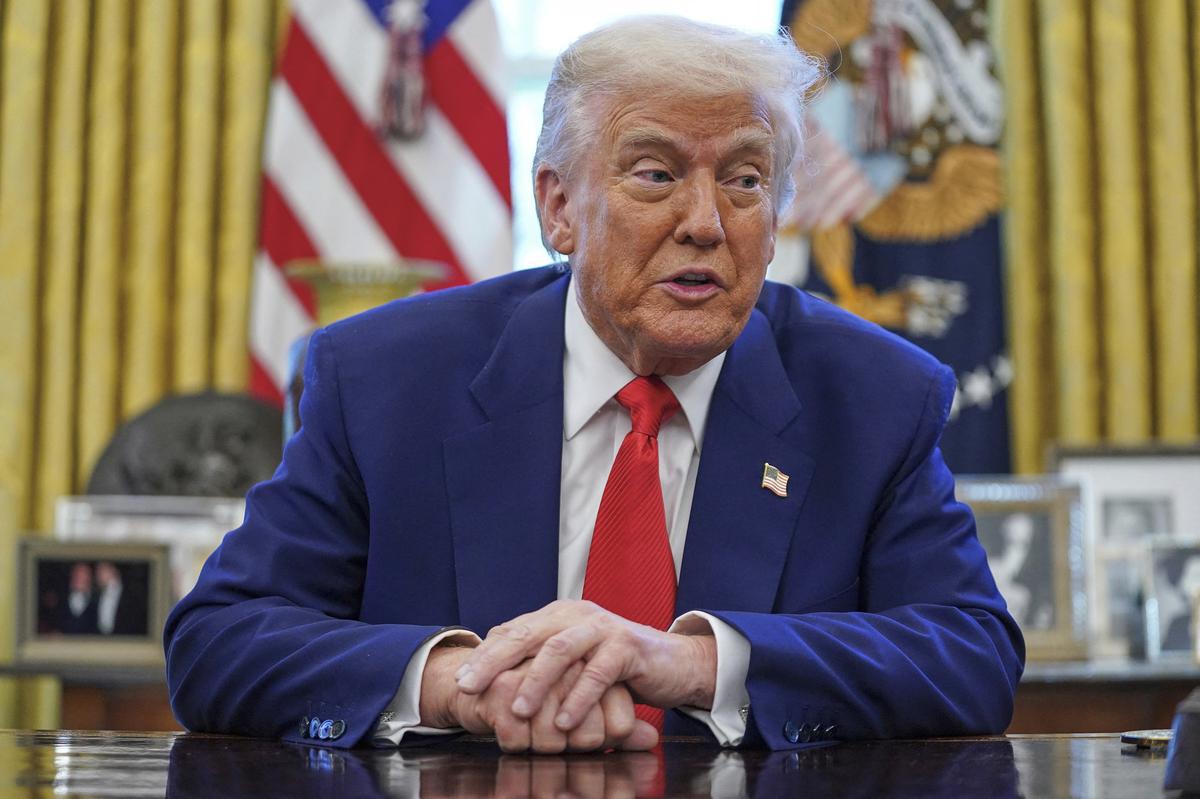
Meanwhile, US markets responded positively to Trump’s 90-day tariff pause. The S&P 500 posted its largest gain since March 2020, surging over 8%. The Nasdaq Composite soared 10%, and the Dow Jones Industrial Average rose nearly 6%. Tech stocks led the rally, with Tesla jumping 11% and chipmakers like Nvidia climbing at least 10%. Only four S&P 500 companies ended the day in the red.
The market rally marked a notable turnaround after stocks briefly dipped into bear territory earlier in the week, following the White House’s announcement of a 104% tariff on several Chinese imports. In retaliation, China raised tariffs on US goods to 84%, effective April 10.
“The announcement was the walk-back the market needed,” said Alex Morris, Chief Investment Officer at F/M Investments. “The pause brought some relief, but it’s not a solution. There’s still uncertainty, and if consumers respond by stockpiling goods in anticipation of renewed tariffs, we could see inflation spike. What likely pushed the President to act was the bond market signaling deeper trouble ahead.”