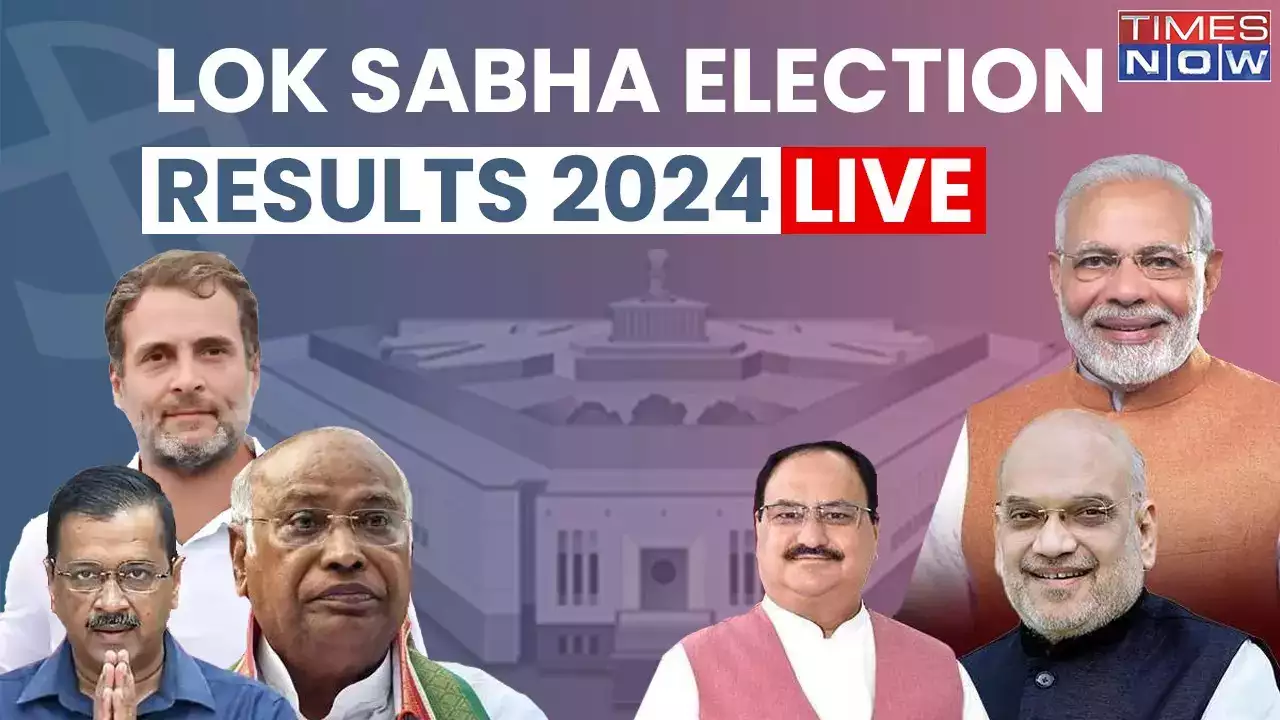
One of the fundamental principles of quantum mechanics states that reality doesn’t exist in a definitive state independent of observation. This doesn’t mean that reality occurs merely because of observation, but rather that observation reveals a version of reality unique to the observer. It’s a lesson that pollsters, politicians, journalists, and anyone tracking votes in a democracy should remember: hold your horses until the final result is in.
Therefore, it’s crucial to wait until the end of the process to understand the true nature of perceived reality, as opposed to imagined reality. Elections aren’t decided on paper, and one shouldn’t jump to conclusions or assume that voters have already made their choices. These unexpected results are reminders to wait for a complete analysis until the final outcomes are clear.
The Winners
- Chandrababu Naidu
Chandrababu Naidu emerges as the MVP of this election. After being jailed by the YS Jagan Mohan Reddy government in the skill development scam case and released on October 31, 2024, Naidu made a triumphant return. Eight months later, he is a crucial ally for BJP in the NDA, which is crossing the majority mark thanks to their alliance with TDP. Naidu orchestrated an alliance with Pawan Kalyan’s Jana Sena and BJP. In the seat-sharing arrangement, TDP was allocated 144 assembly seats and 17 Lok Sabha constituencies, while BJP contested six Lok Sabha and 10 assembly seats, and Jana Sena contested two Lok Sabha and 21 assembly seats. The TDP-led alliance is leading in 160 of the 175 assembly seats and 21 of the 25 Lok Sabha seats, making Naidu, a former UPA ally in 2019, a vital ally for BJP.
- Akhilesh Yadav
For two elections, the BJP seemed unbeatable in Uttar Pradesh. The consensus was that BJP would match or exceed their 2019 performance, especially with the Ram Mandir inauguration. However, the final numbers suggest a neck-and-neck race between BJP and SP. Akhilesh Yadav’s SP, a cornerstone of the INDI alliance in Uttar Pradesh, is leading in 35 seats, with Congress leading in seven. The maxim that the road to Delhi is through Uttar Pradesh holds true, and Akhilesh Yadav’s efforts have made NDA-3’s journey more challenging. The 2017 Assembly Elections saw the “UP ke ladke” anthem for the Congress-SP alliance, and it seems to have materialized six years later. If trends hold, they might surpass their 2004 performance.
- Uddhav Thackeray
Maharashtra politics changed dramatically in 2019 when Uddhav Thackeray’s Shiv Sena split with BJP to join the MVA, leading to significant political upheaval. Since then, Thackeray has built a personal brand distinct from his father’s fiery persona, gaining praise for his calm handling of the Covid-19 crisis. Despite the MVA government falling after Ekanath Shinde’s split and control over the party symbol, voters seem to view Thackeray as the true heir of the Shiv Sena legacy. The MVA is leading in 28 of the 48 seats, and all eyes will be on Thackeray in the upcoming Maharashtra assembly elections.
- Nitish Kumar
Nitish Kumar has a reputation for switching alliances, reminiscent of his JP days buddy, Ram Vilas Paswan. Before the elections, Kumar left the INDIA bloc, which he helped found, to align with BJP again. The JD(U), leading in 14 seats, may be crucial for BJP’s third-term majority. At a Patna event, Kumar assured PM Modi that he wouldn’t change his stance again, prompting a hearty laugh from Modi, who will hope Kumar remains steadfast.
- Rahul Gandhi
Rahul Gandhi, often ridiculed and doubted, has turned the tide. Following two Bharat Jodo yatras and 107 public outreach programs, Gandhi’s efforts have paid off, with Congress poised for their best performance in a decade. The INC is expected to approach 100 seats, a significant improvement, signaling to BJP that future elections will be more challenging.